

A predictive maintenance layer that reads your existing historian data and delivers fault-mode alerts inside the tools your operators already use.
Most midstream operators running compressor and pump fleets above 1,000 HP have years of historian data accumulated in AVEVA PI, Bently Nevada System 1, and Emerson Ovation. That data captures every vibration event, every bearing temperature spike, every differential pressure anomaly. It is structured for post-incident forensics. It is almost never used for real-time fault prediction.
The result is a predictable pattern: protection systems trip only when a unit is already failing. Emergency shutdowns cost $18,000 to $95,000 per event in lost throughput, expedited labor, and parts. Industry average unplanned downtime runs 4 to 9 percent of annual runtime. These numbers are not the result of inadequate instrumentation. Most operators have the sensors. They lack the analytical layer that reads historian data continuously and surfaces degradation trajectories before protection thresholds are reached.
The core problem is not data collection. It is that the gap between raw historian archives and actionable fault alerts has never been bridged by a software layer purpose-built for midstream rotating equipment. SCADA alarms are binary. Historian data is rich. Midstreamly connects the two.
Midstreamly connects to your existing AVEVA PI System via standard PI Web API or direct server connection, and to Bently Nevada System 1 historian via OPC-UA or API bridge. The integration is read-only. No writes to any historian, no changes to protection system thresholds, no new field instrumentation required. A typical integration on a station running AVEVA PI with connected Bently Nevada data takes 4 to 6 hours including tag mapping verification.
For each monitored asset, Midstreamly ingests 18 months of available operating history from the AVEVA PI historian and Bently Nevada System 1. The anomaly detection model learns what normal looks like for that specific unit at that specific station, accounting for seasonal load cycles, process temperature ranges, and operating mode variations. Each unit gets its own model. A compressor that normally runs at higher vibration amplitude due to process conditions is scored against its own baseline, not a fleet average.
A multi-variate anomaly model updates each unit's degradation score every 15 minutes, correlating vibration amplitude, frequency spectrum components from Bently Nevada proximity probe data, bearing temperature differentials from the AVEVA PI historian, suction and discharge pressure trends from Emerson Ovation process data, and lube oil quality indicators. The model tracks 18-month baseline deviation across all these dimensions simultaneously. Score trajectories are stored so operators can see whether a unit is holding steady, recovering after maintenance, or accelerating toward a threshold that warrants a work order.
When a fault pattern is identified, Midstreamly delivers a ranked alert into Honeywell Experion PKS, PTC ThingWorx, or the operator's existing SCADA environment as a natural-language work-order recommendation. Supervisors see the fleet-wide risk ranking each morning. Field technicians receive fault-specific inspection checklists before leaving the shop. No separate monitoring portal, no additional login required.
Track every unit's health in real time against its own 18-month operating baseline
Midstreamly builds a unit-specific degradation model for each pump and compressor in the fleet using 18 months of AVEVA PI historian data. Every 15 minutes the model computes a rolling health score from 0–100, factoring vibration amplitude, frequency spectrum drift, bearing temperature deltas, and lube oil differential pressure. Operators see the score trend over time, not just a binary alarm. A score declining from 85 to 62 over 10 days is a work-order trigger even if no hard limit has tripped yet. The model is unit-specific: a compressor that normally runs warm is scored against its own baseline, not a fleet average that would generate false alarms on outlier assets.

Turn signal anomalies into readable work-order language before the technician leaves the truck
When Midstreamly detects a degradation pattern matching a known fault mode—bearing spall, impeller imbalance, seal leak, coupling misalignment—it generates a plain-English work-order recommendation naming the probable failure mechanism, the specific sensor signals driving the call, and the recommended inspection steps. Field technicians receive the alert in PTC ThingWorx or via email with enough context to bring the right parts and tools to the site on the first dispatch. No interpretation required by a reliability engineer before the technician leaves the shop. The goal is a dispatched technician who already knows what they are looking for.

Ingest shaft orbit and vibration data from installed Bently Nevada systems without a hardware swap
Most midstream operators running reciprocating and centrifugal compressors above 1,000 HP already have Bently Nevada 3500 Series monitoring racks installed at their stations. Midstreamly connects directly to the Bently Nevada data historian via standard OPC-UA or API bridge, pulling shaft displacement orbit data and overall vibration levels at full resolution. No new sensors required. The existing protection system certification and configuration stays untouched. Operators add a predictive analytics layer without introducing any hardware the protection system vendor did not qualify.
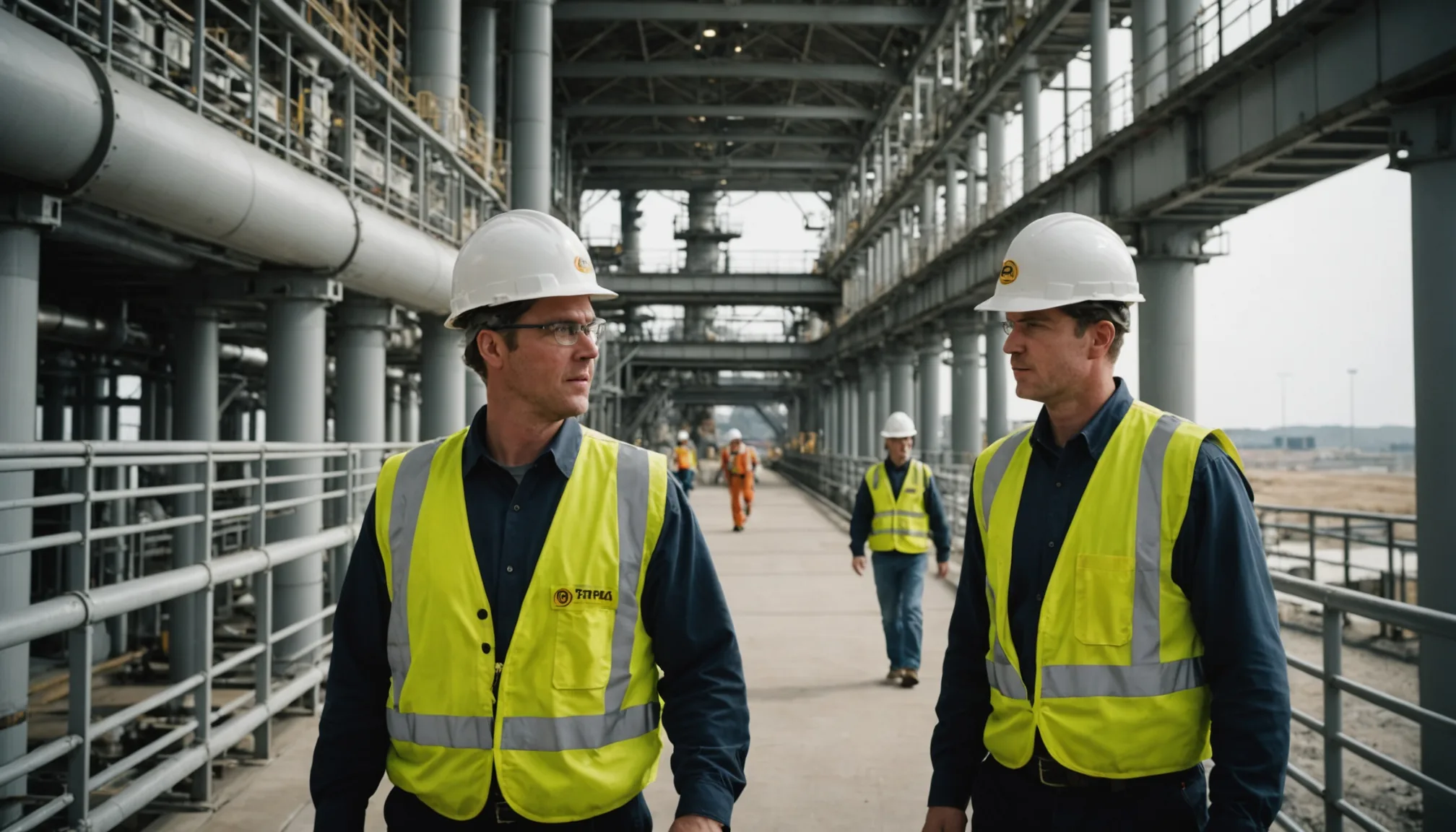
Merge process data with vibration signals to catch faults that vibration alone misses
Vibration-only monitoring misses a class of compressor faults driven by process upsets—valve wear, fouling, liquid carryover—that manifest first in suction temperature or differential pressure before vibration changes. Midstreamly pulls process historian context from AVEVA PI System to enrich every vibration event with process state. An anomaly that correlates with a 12-hour low-suction-pressure period is flagged as process-induced stress and routed to the process engineer, not the mechanical technician, cutting diagnostic time and reducing the chance that the wrong team investigates first.
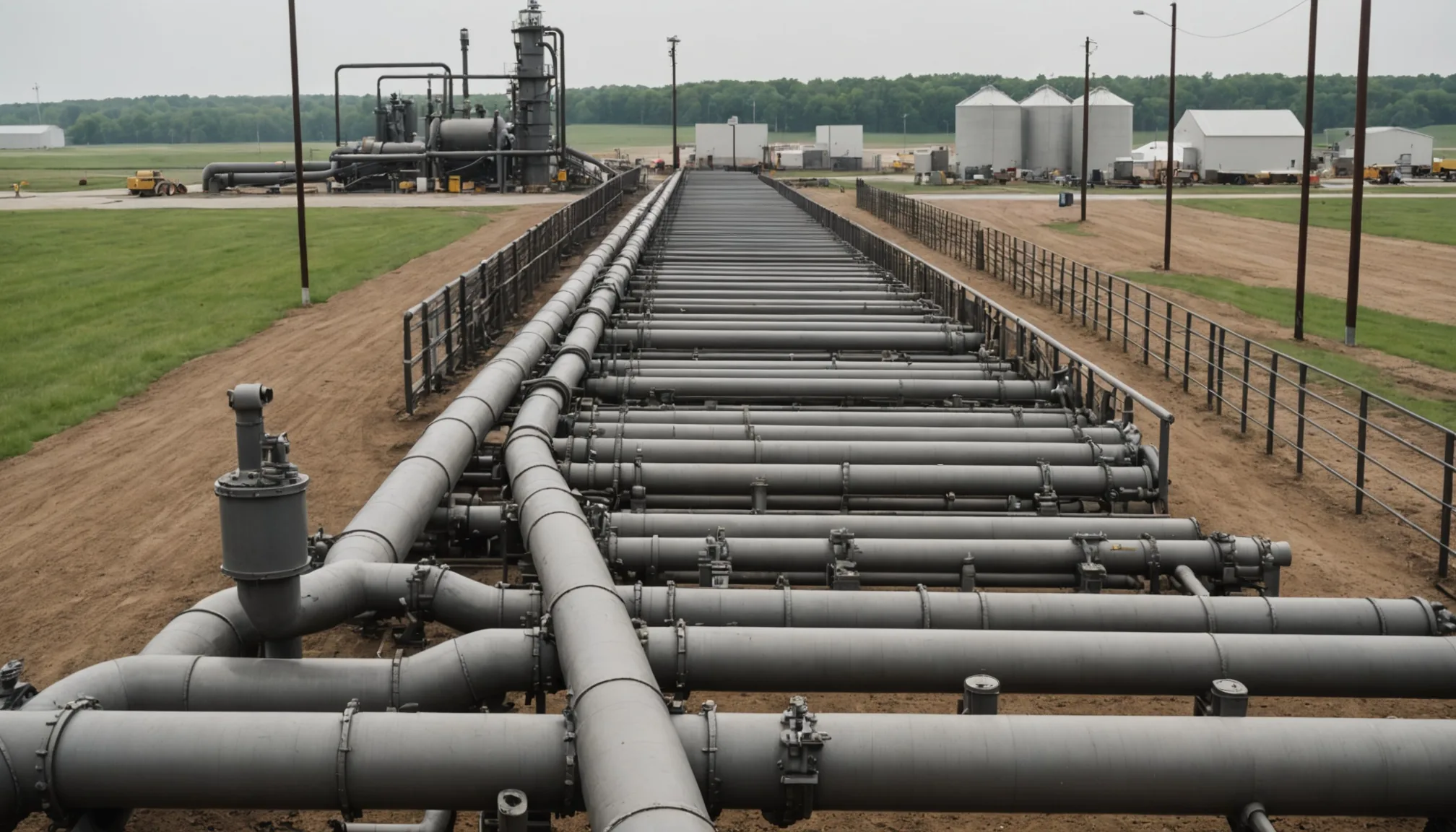
See which units across your entire gathering system are most likely to fail in the next 30 days
The fleet dashboard ranks every monitored pump and compressor by its 30-day failure probability, combining current degradation score trajectory with historical seasonal patterns and planned maintenance windows. Operations supervisors review the ranked list in their morning standup to prioritize route assignments for field crews and confirm that units near the top of the risk list have open work orders and parts on order. The dashboard exports to CSV for direct integration with SAP Plant Maintenance or IBM Maximo work-order workflows. No new software required for the maintenance coordination layer.
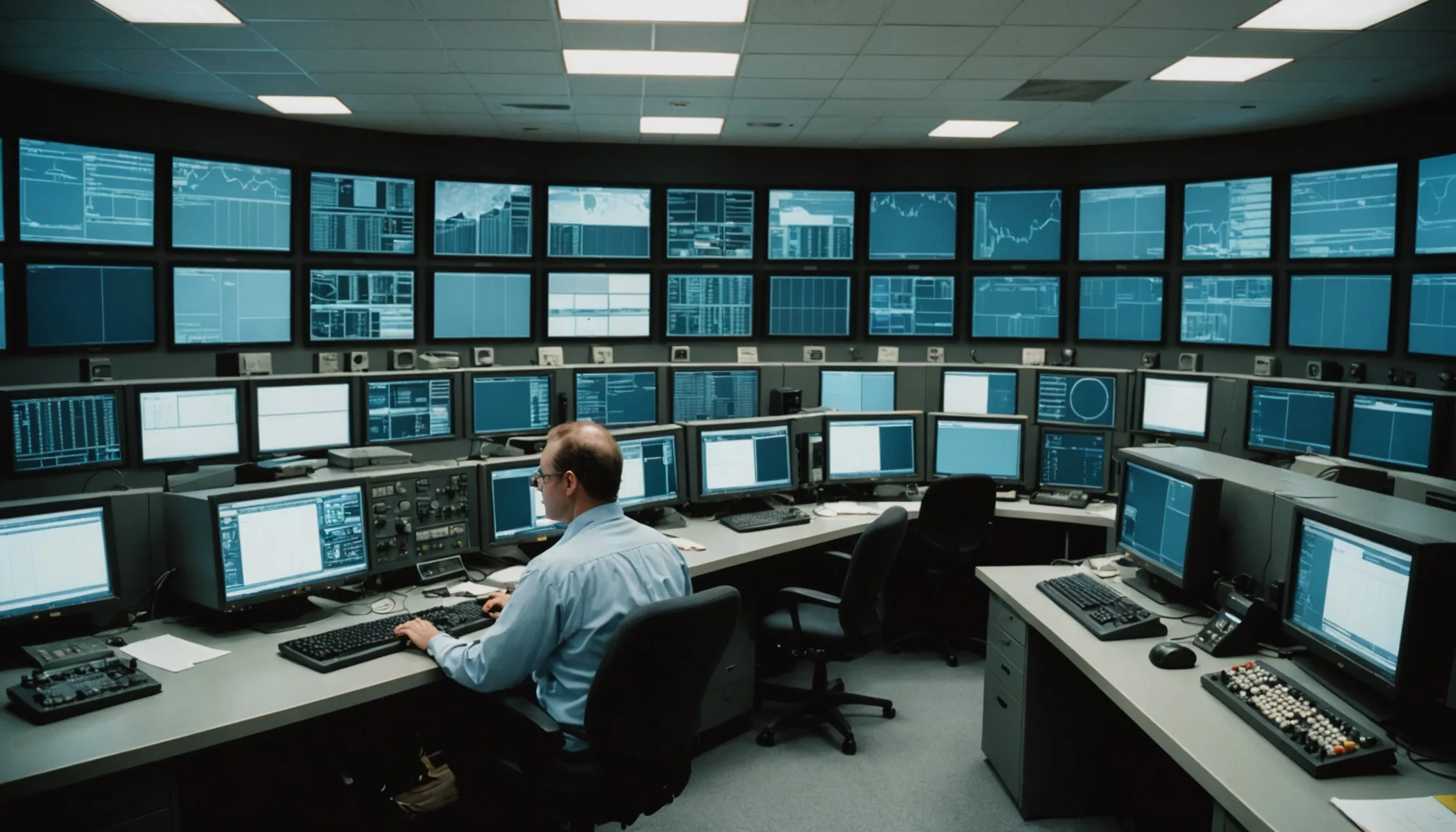
Send degradation scores and alerts into the historian and MES environment your team already uses
Midstreamly ships pre-built connectors for Siemens MindSphere Asset Intelligence Network and Rockwell Automation FactoryTalk Analytics. Degradation scores, alert events, and work-order recommendations push into the operator’s existing MES and IIoT environment automatically. Teams that have built reporting dashboards in FactoryTalk View or MindSphere Operations Insight keep working in their current UI. Midstreamly adds the predictive maintenance data layer underneath, without requiring a separate portal login for day-to-day operations.
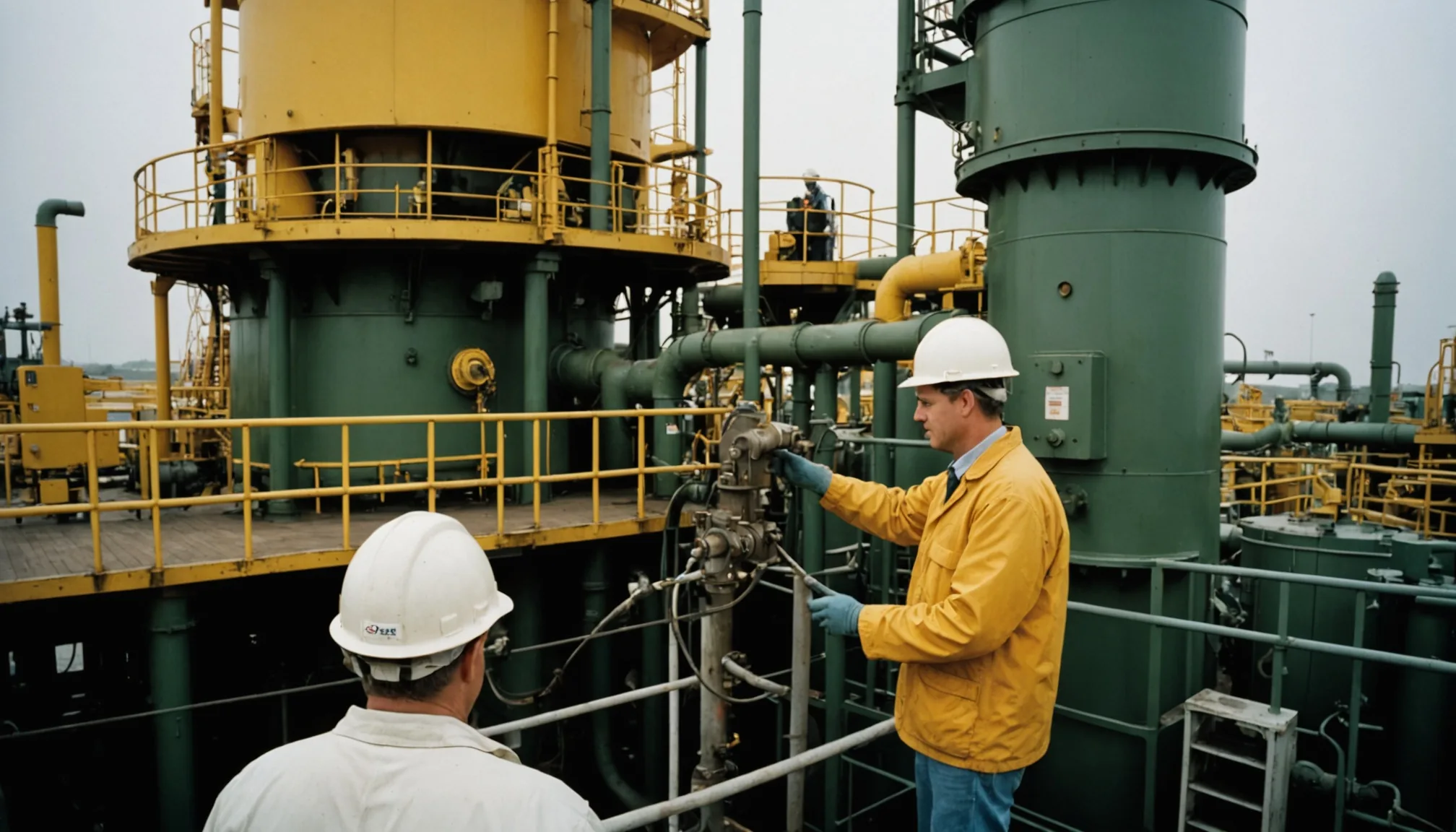
Companies operating compressor stations, pump stations, or gas processing facilities with rotating equipment above 500 HP and existing historian infrastructure in AVEVA PI, Bently Nevada, or Emerson Ovation. Typical fleet size: 10 to 200 units across multiple stations. Annual maintenance budget: $5M to $50M. Target: operators where each unplanned compressor shutdown costs $20,000 to $100,000 and happens 2 to 8 times per year.
The operator-side user who currently spends hours each week reviewing historian trends manually, investigating SCADA alarms after units have already tripped, or writing post-incident reports explaining failures that the data predicted. Midstreamly puts a ranked fault risk list in front of this person every morning, replacing manual historian review with an automated degradation scoring layer that surfaces the same information in minutes instead of hours.
Technicians dispatched to compressor stations who currently arrive at a site with a SCADA alarm printout but no diagnostic context. Midstreamly delivers fault-mode-specific work-order language before the technician leaves the shop: probable failure mechanism, which sensors are showing abnormal trends, and what to inspect first. Supervisors use the fleet dashboard to prioritize route assignments and confirm parts are ordered before the field crew departs.
Midstreamly does not require new hardware or a rip-and-replace of your existing historian infrastructure. If you are running AVEVA PI, Bently Nevada 3500 Series, or Emerson Ovation, you already have the data. Request a demo to see how Midstreamly reads it.