Remaining Useful Life Modeling: LSTM, Cox Proportional Hazards, and Weibull Compared
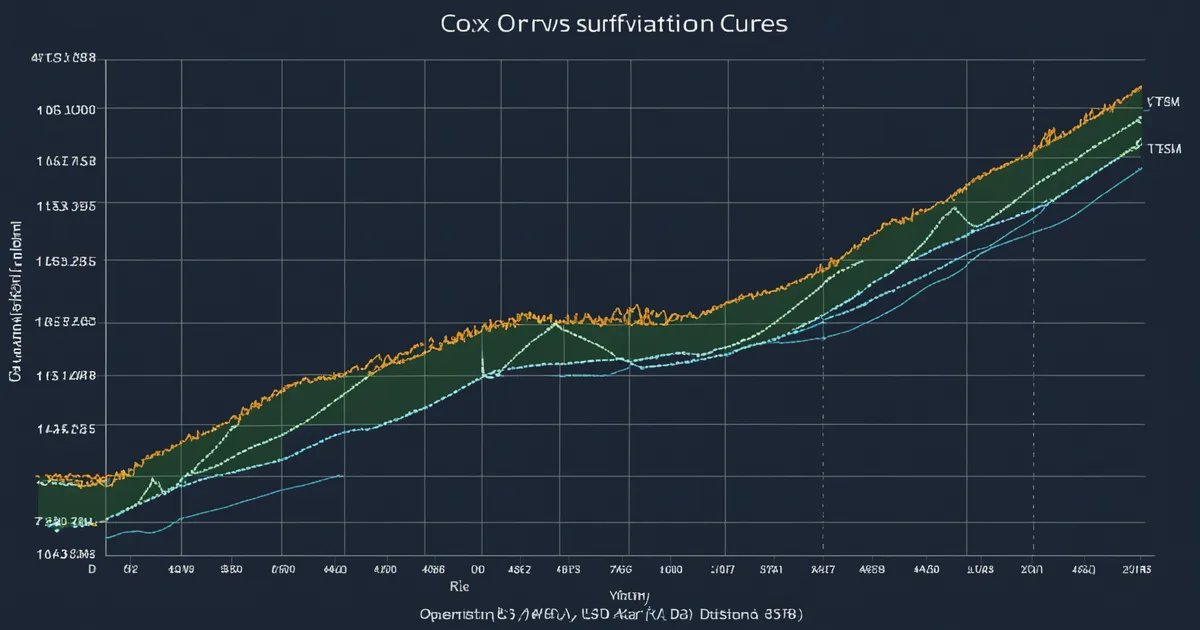
Three approaches dominate RUL estimation for rotating equipment: LSTM neural networks, Cox proportional hazards regression, and parametric Weibull survival models.
Technical writing for rotating equipment reliability engineers. API standards, failure analysis, SCADA integration, and predictive modeling for midstream operators.
Three approaches dominate RUL estimation for rotating equipment: LSTM neural networks, Cox proportional hazards regression, and parametric Weibull survival models.
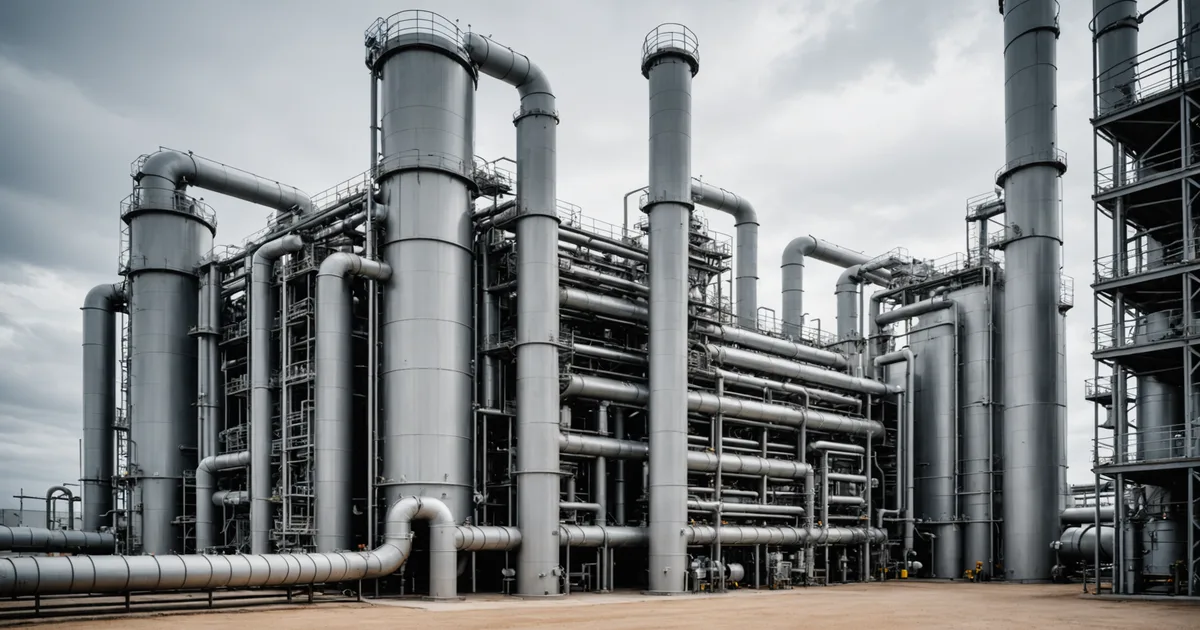
Mean time between failures varies significantly across equipment type, service severity, and operating region. Here's an industry reference baseline for centrifugal compressors (~18–36 months) and pipeline pumps (~24–48 months).
H2S-containing process streams accelerate sulfide stress cracking and bearing corrosion in ways that standard vibration baselines don't account for.
Compressor surge is fast, destructive, and often preceded by detectable pressure oscillation patterns hours before a full surge event.
RMS, kurtosis, and crest factor give you early warning that something is changing. FFT spectra tell you what. Understanding when each method is appropriate is foundational to reliable anomaly detection.
PHMSA 49 CFR Part 195 requires pipeline operators to maintain Integrity Management Programs covering high-consequence areas. Condition monitoring data plays a supporting role in IMP documentation.
ISO 10816 (now superseded by ISO 20816) defines velocity-based vibration severity zones A through D. What the zones mean in practice and how to set alert thresholds against them.
Moving vibration and process data from an OSIsoft PI historian into a machine learning pipeline requires careful attention to tag selection, time-series windowing, and OT network security.
Centrifugal pumps account for the majority of rotating equipment at pipeline pump stations. Understanding the spectral signature of cavitation versus bearing wear versus seal degradation is the first step toward reliable detection.
API 670 defines the minimum requirements for machinery protection systems on rotating equipment. Here's what the standard actually mandates — and how modern historian-based monitoring aligns with it.