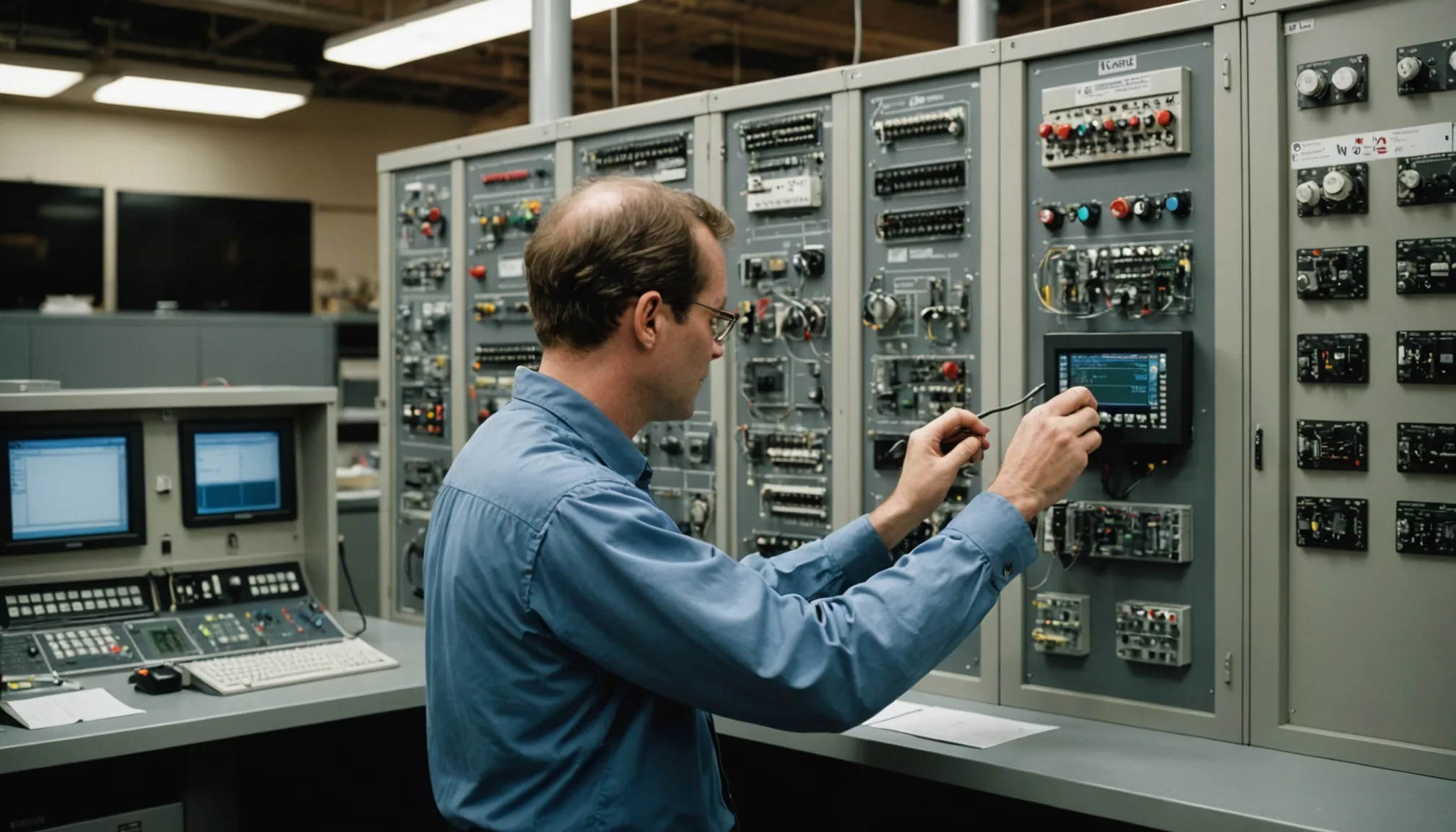

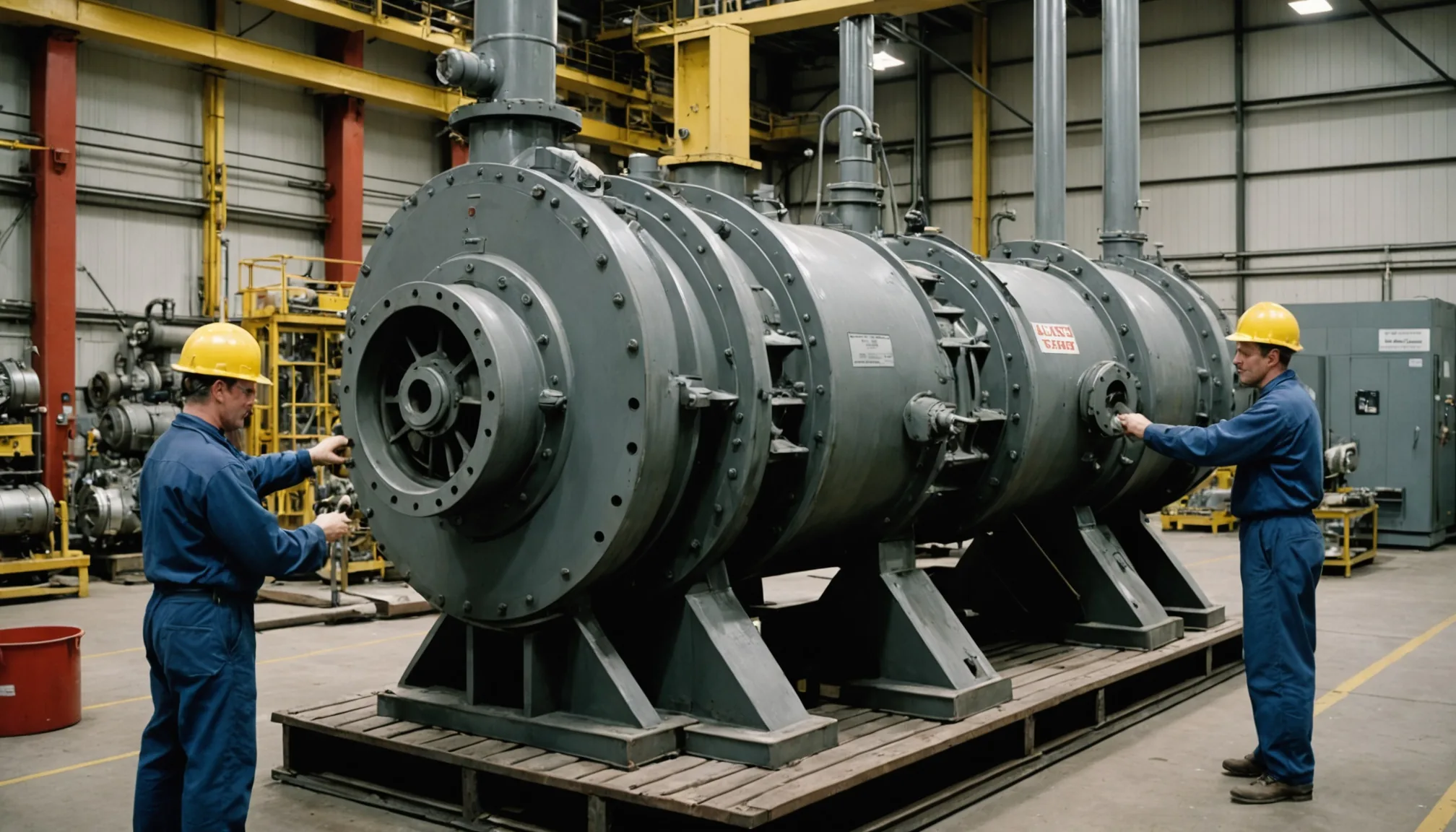
Emergency pump shutdowns in midstream gathering systems cost anywhere from $18,000 to $95,000 per event when you fold in lost throughput, emergency contractor rates, expedited parts shipping, and crew overtime. We've tracked enough of these incidents to say confidently: most of them were preventable. Not with magic, just with earlier visibility.
The Real Cost Breakdown: Reactive vs. Preventive vs. Predictive
Most operators still run their pump fleets on a hybrid of reactive and calendar-based preventive maintenance. On paper, preventive maintenance looks responsible. In practice, it means you're replacing seals and bearings on a schedule that has nothing to do with actual equipment condition. You're spending money on components that have years of useful life remaining, and you're still getting blindsided by failures between scheduled intervals.
Here's what the cost tiers actually look like in midstream gathering:
| Maintenance Mode | Typical Cost per Event | Downtime Window | Parts Sourcing |
|---|---|---|---|
| Reactive (emergency) | $18,000 – $95,000 | 24–96 hours unplanned | Expedited air freight, premium markup |
| Preventive (scheduled) | $4,000 – $12,000 | 8–16 hours planned | Stocked or standard lead time |
| Predictive (condition-based) | $2,500 – $8,000 | 4–12 hours planned | Ordered ahead, no premium |
The predictive column isn't just cheaper because you're spending less on parts. It's cheaper because you control the timing. A planned 6-hour outage scheduled during low-throughput hours looks nothing like an emergency that takes your booster station down at 2 AM on a Thursday. Same pump, completely different cost profile. That's the whole game.
How Pump Failure Looks in Midstream Gathering
Pumps don't fail the same way compressors do. Compressor monitoring is well-developed in this industry, but pump health often gets treated as an afterthought. Wrong call. In our experience, pump failures in gathering systems account for 4–9% of annual unplanned downtime, and the failure modes are specific enough that you can't just port your compressor monitoring logic over.
Impeller Wear
Impeller wear is insidious. It doesn't generate dramatic vibration signatures early on. What you see first is gradual efficiency loss: flow rate drops a few percent, differential pressure starts drifting. Most operators attribute this to process variation. It isn't. By the time vibration becomes obvious, you're already looking at imminent failure.
Seal Failure
Mechanical seal degradation is the most common pump failure mode in crude gathering, especially where fluid composition varies. Vibration monitoring catches it earlier than temperature alone, but the frequency signature is different from bearing faults. You're looking at low-frequency modulation rather than high-frequency bearing tones. Mixing them up in your alarm logic gets you false positives. A lot of them.
Bearing Degradation
Bearing faults follow the classic BPFO/BPFI/BSF pattern, but pump bearings run at lower speeds than compressor bearings. That shifts the fault frequencies down. Standard compressor vibration thresholds don't translate directly. If you're applying the same alarm settings to both equipment types, your pump bearing alerts are probably miscalibrated in one direction or the other.
Cavitation
Cavitation is the wild card. It produces broadband high-frequency noise that can mask other developing faults. It's also often a process condition problem rather than a mechanical failure, which means throwing a maintenance crew at it doesn't fix anything. Distinguishing cavitation signatures from bearing degradation or impeller damage requires separate detection logic. Not one universal vibration threshold for all fault modes.
Why the 7-21 Day Detection Window Changes Everything
A 7-21 day early detection window sounds like a technical curiosity. It isn't. It's the difference between two completely different operational scenarios.
Scenario one: you get an alarm at 11 PM showing your booster pump has an emerging bearing fault. The degradation trend puts you 14 days from likely failure. You schedule a maintenance window for next Wednesday morning. You order bearings and seals through standard procurement, they arrive in three days, your crew does a planned 8-hour job during the slowest throughput window of the week. Total cost: around $5,500.
Scenario two: no early detection. The bearing fault progresses silently. At 3 AM on a Tuesday, the pump trips. Emergency stop. Now you're calling your on-call contractor at emergency rates, flying parts overnight because nothing's in stock locally, and your gathering system is down during peak morning throughput. Total cost: $47,000 and a conversation with the customer about volume commitments. True story. We've seen both play out enough times to stop treating this as a hypothetical.
Fact: the 7-21 day window isn't just about knowing a failure is coming. It's about regaining control over when it happens and what it costs when you fix it.
Pump Health Monitoring vs. Compressor Monitoring
This distinction matters more than most operators realize. Compressor condition monitoring has decades of industry tooling behind it: established fault frequencies, vibration severity charts, ISO standards, vendor-specific alarm libraries. Pumps are underserved by comparison.
Different vibration frequencies. Different fault modes. Different operating speed ranges. You can't take a compressor monitoring configuration, swap in a pump, and expect meaningful results. The vibration signatures for pump cavitation look nothing like compressor valve leakage. Bearing fault frequencies for a 1750 RPM pump are in a completely different range than a 3600 RPM reciprocating compressor.
This is where a lot of operators who've deployed general-purpose vibration sensors get frustrated. The sensors work fine. The analysis logic is wrong for the equipment type. Good vibration data with misconfigured analysis gives you a dashboard full of false alarms, or worse, missed faults that should have triggered alerts weeks earlier.
In our tracking, operators using equipment-type-specific fault detection logic catch bearing degradation an average of 11 days earlier than those using general vibration thresholds. Eleven days. That's the entire early detection window for some failure progressions.
Fleet Prioritization: Where Midstreamly's Dashboard Actually Helps
Running a multi-pad, multi-station gathering system means you have dozens of pumps spread across a wide geographic area. Not all of them are equally critical. Not all of them are in the same degradation state. The operational challenge isn't just detecting faults. It's figuring out which pump gets the truck this week.
Midstreamly's fleet dashboard generates a 30-day risk ranking across your pump and compressor inventory. It factors in current health score, failure mode probability, throughput impact if that unit goes down, and nearest available parts. Your field crews see a prioritized maintenance route, not a flat list of alarms to sort through.
The practical effect: field crews spend less time driving to equipment that's fine and more time on assets that are actually degrading. On gathering systems with 15 or more pumps, we've seen route efficiency improve by roughly 35% in the first 60 days. That's not just cost savings, it's capacity. Your maintenance team handles more assets without headcount increases.
Deferred Replacement Through Condition-Based Run Decisions
Here's the cost savings angle that doesn't get enough attention: pump replacement deferrals.
Calendar-based maintenance programs often trigger pump overhauls or replacements based on run hours, not actual condition. You're making a $30,000 replacement decision based on a number in a spreadsheet. Condition monitoring gives you the actual health trajectory. A pump running at 87% health with a stable, non-degrading vibration profile has no business being replaced on schedule when it has two more years of safe operation ahead of it.
Conversely, a pump at 60% health with a rapidly declining bearing condition score should probably be scheduled sooner than the calendar says, before it becomes an emergency. Condition-based decisions let you defer replacements where equipment is genuinely healthy and pull replacements forward where the data says act now. Both directions save money. The net effect across a fleet of 20 pumps over three years is substantial.
Getting the Numbers Right Before Making the Case Internally
If you're evaluating predictive maintenance for your pump fleet, the ROI calculation isn't complicated. Take your last two years of pump-related emergency shutdowns. Total the cost of each event. Divide by your pump count. That's your per-unit annual reactive maintenance exposure. Compare it against what a planned maintenance event on the same equipment actually costs. The gap is your value pool.
For most midstream operators running 10 or more booster pumps, that gap is substantial enough to justify a full monitoring deployment within the first year of operation. Not as a grand digital transformation initiative. Just as sound maintenance economics.
We built Midstreamly specifically for operators who need to make that case internally, which means the platform generates the documentation to back it up: failure event logs, health trend history, cost-per-event tracking. The data you need for a maintenance budget conversation is the same data that makes the equipment monitoring work. No separate reporting layer required.
Want to see how Midstreamly's pump health monitoring applies to your gathering system? Request a demo and we'll walk through your specific equipment configuration.